von Suenver | Cybersecurity Specialist

In the ongoing battle against cybercrime, defenders need all the tools they can get. Traditional security measures like firewalls and antivirus software are crucial, but they often play a reactive role. Enter the world of honeypots, honeyfiles, and honeynets – a deceptive trio that uses sweet temptation to outsmart attackers.
The Sticky Trap: The Honeypot
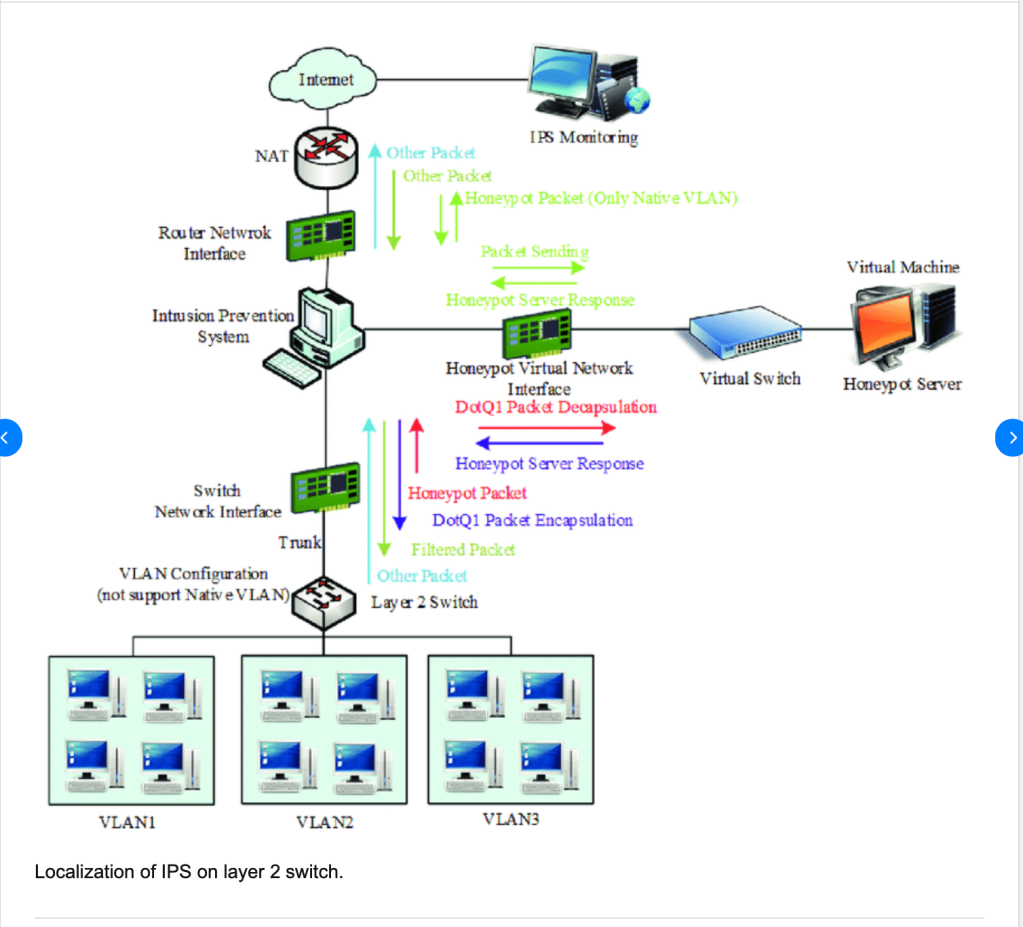
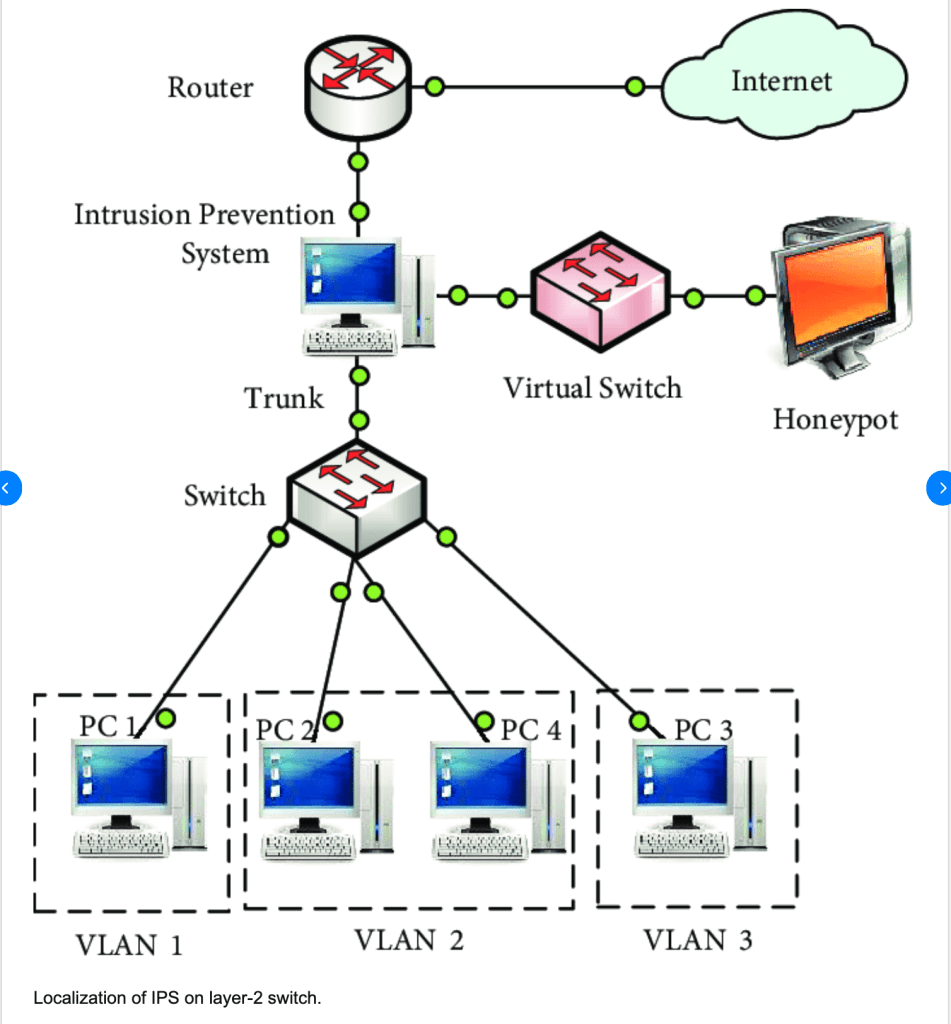
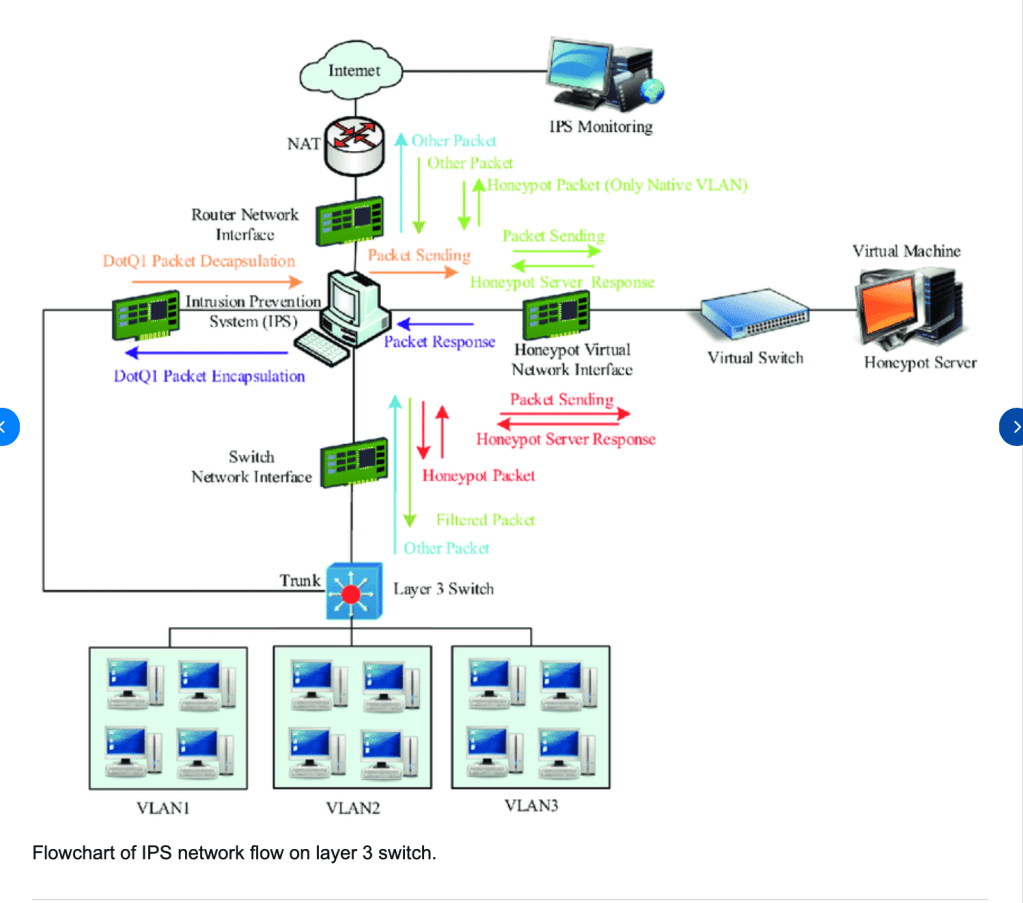
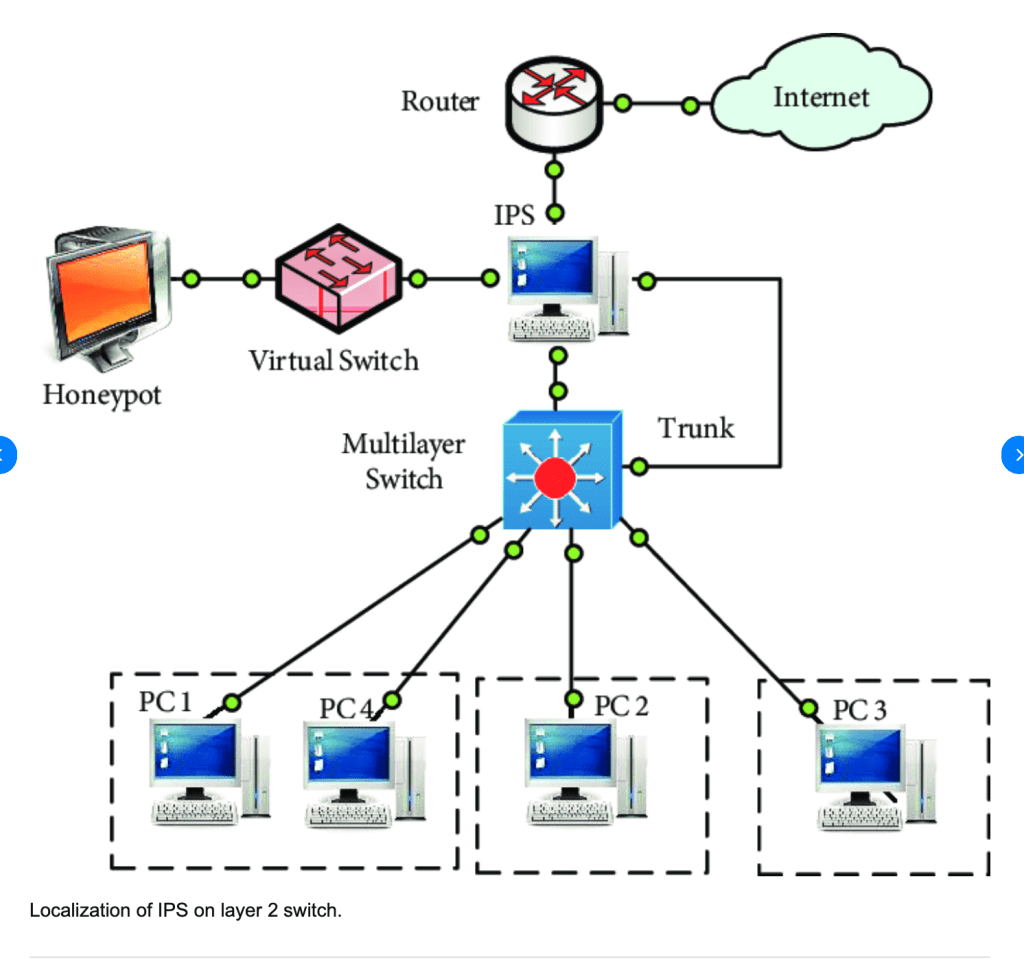
Imagine a jar of honey strategically placed in the woods. That’s essentially a honeypot in the cybersecurity realm. It’s a decoy computer system designed to lure attackers in. Hackers often scan networks for vulnerabilities, and a honeypot acts like a vulnerable system, filled with fake data or configured with weaknesses.
Why would someone create a fake system? The beauty lies in monitoring. When an attacker interacts with the honeypot, security professionals can observe their tactics, tools, and techniques. This valuable intel helps them understand attacker behavior and improve overall network defenses before they reach real targets.
A Honey-Coated Secret: The Honeyfile
Think of a honeypot as a beehive, and within it lies a particularly tempting piece of honey – the honeyfile. These are decoy files placed within the honeypot, often named enticingly to suggest they contain valuable information. For instance, a file named „password_list.txt“ might be a honeyfile, designed to trick attackers into wasting time trying to access it.
Honeyfiles serve a dual purpose. By monitoring which files attackers target, security teams can gain insights into what kind of data they’re after. Additionally, attempting to access a honeyfile can trigger security measures, alerting defenders to a potential attack.
The Grand Illusion: The Honeynet
For a truly elaborate deception, we have the honeynet – a large network of honeypots designed to resemble a real-world network. Imagine a sprawling beehive filled with honey jars! A honeynet can include multiple honeypots configured to look like different types of servers, such as email servers or databases. This creates a more realistic environment for attackers to explore, allowing security teams to observe their behavior in greater detail.
Honeynets are particularly valuable for studying advanced attacks that involve lateral movement within a network. By analyzing attacker movements within the honeynet, security professionals can identify weaknesses in their own network segmentation and improve overall security posture.
The Importance of Sweet Deception
Honeypots, honeyfiles, and honeynets are powerful tools for proactive cybersecurity. While they don’t directly prevent attacks, the information they gather is invaluable. By understanding attacker behavior, security teams can:
- Strengthen defenses: Identify and patch vulnerabilities exploited by attackers.
- Improve detection: Develop better methods to recognize and respond to real attacks.
- Stay informed: Gain insights into the latest hacking tactics and trends.
However, it’s important to remember that honeypots are just one part of a layered security strategy. They work best when combined with other security measures like firewalls, intrusion detection systems, and user education.
So, the next time you hear about honeypots, honeyfiles, and honeynets, remember – a little bit of deception can go a long way in protecting your systems from the not-so-sweet reality of cyberattacks.
Advantages of Honeypots (like decoy systems):
- Early Warning System: Honeypots act like tripwires, catching attackers before they can reach important systems.
- Learn about Attackers: By watching attackers play in the honeypot, you can understand their tricks and tools to better defend yourself.
- Waste Attacker’s Time: Hackers spend their time trying to break into the honeypot, leaving your real systems alone.
- Make Your Systems Stronger: What you learn from the honeypot helps you plug security holes and improve your overall defenses.
- Training Ground: Security professionals can practice their skills against real attackers in a safe environment (the honeypot).
Disadvantages of Honeypots:
- Can be Tricky to Set Up: Especially for complex honeypots, you might need some extra tech knowledge.
- Not Foolproof Security: If not set up carefully, the honeypot itself could be hacked and used to attack other systems.
- Cost Time and Money: Just like any security system, honeypots take time and resources to run.
- Legal Stuff to Consider: There might be laws about how you can use honeypots, so make sure you’re following the rules.
- False Alarms: Sometimes things that look like attacks might not actually be, wasting your time investigating.
Before you build your honeypot:
- Know what you want to achieve: Decide what kind of attacks you’re hoping to catch and what information you want to learn from them. This will help you choose the right type of honeypot.
- Think about the risks: Make sure your honeypot isn’t accidentally causing problems for your real systems. Imagine it as a mousetrap – you don’t want to catch your own pet cat!
- Check the rules: There might be laws about how you can use honeypots, so make sure you’re following them.
Building and maintaining your honeypot:
- Choose the right tool for the job: There are different levels of honeypots, from simple to complex. Pick one that fits your needs and skillset.
- Keep it separate: Isolate your honeypot from your real systems so if someone hacks it, they can’t get into your important stuff.
- Make it look real: Design your honeypot to look like a real system attackers would want to target. Like a tasty piece of cheese for a mouse!
- Stay vigilant: Keep an eye on your honeypot to see if anyone is trying to break in.
- Keep it updated: Just like your computer software, make sure your honeypot is up-to-date to catch the latest threats.
- Learn from your catches: Analyze the information you get from your honeypot to improve your overall security defenses.
Working with your honeypot:
- Talk to your team: Let other departments in your company know what you’re doing with the honeypot so everyone is on the same page.
- Learn from mistakes: If someone hacks your honeypot, use that experience to improve your security training and tools.
- Share the knowledge: Consider sharing what you learn from your honeypot with others to help improve overall cybersecurity.
Bonus tip: Make sure only authorized people can access your honeypot, and they should use special accounts that can’t do any damage to your real network.
Referenz:
Honey realistic abstract composition with bees sitting on amber honeycombs vector illustration von https://www.freepik.com/free-vector/honey-realistic-abstract-composition-with-bees-sitting-amber-honeycombs-vector-illustration_60946293.htm#fromView=search&page=1&position=3&uuid=fdfd91fb-433d-4925-8690-ddd2e2351907
https://www.bdo.cz/en-gb/insights/digital/honeypots-how-to-catch-hackers
https://www.wallarm.com/what/what-is-a-honeypot-definition-types-and-more
https://www.techtarget.com/whatis/feature/How-to-build-a-honeypot-to-increase-network-security
 print("Hello, World!")
Hinterlasse einen Kommentar