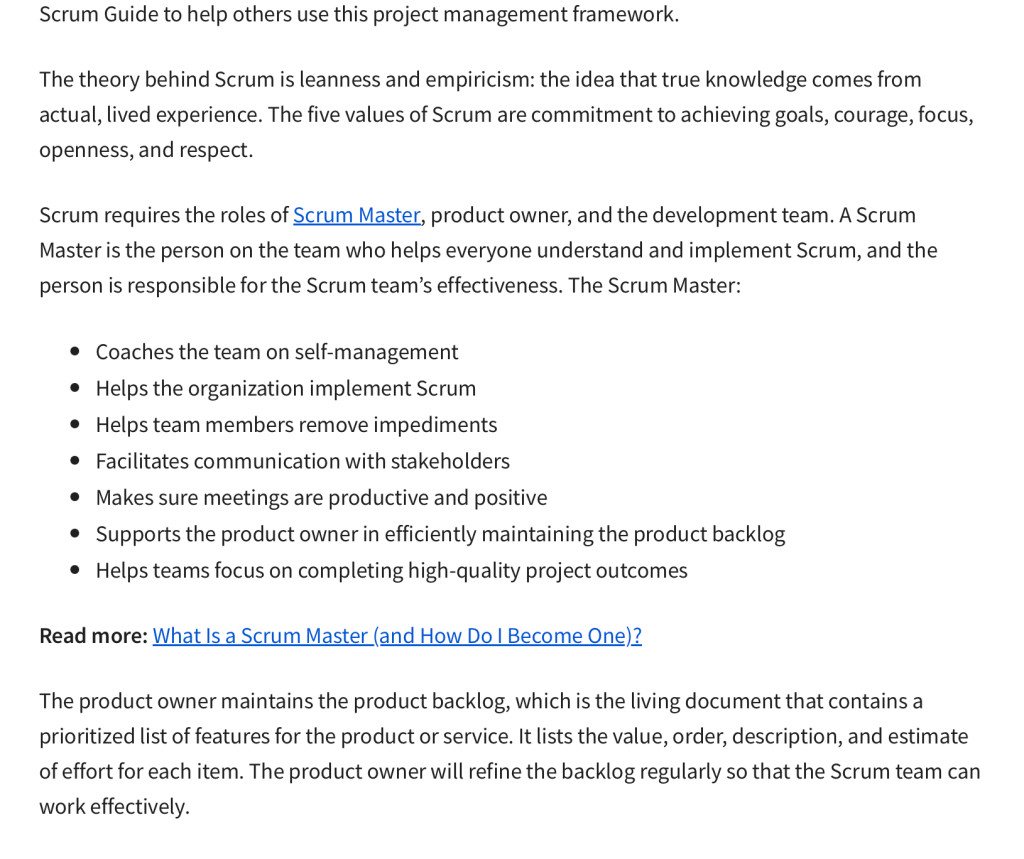
A Scrum Master should not be concerned with removing problems that the Scrum Team can solve themselves, no matter how often this requirement is mentioned in job advertisements. If a Scrum Master acts like a ‘Scrum helicopter parent,’ their team will never become self-organizing.
A Scrum Team must learn to make its own decisions. This necessity almost inevitably results in failures, dead-ends, and other unplanned excursions when the team is learning something new. Consequently, in the beginning, a team will need more guidance than usual from the Scrum Master — and of a different kind than exemplified by drawing offline boards (see Questions 31 and 32) or updating tickets in JIRA. Such guidance should not, however, become an exercise in protective parenting — a team must be allowed to learn from their failures.
That being said, there is one area where the Scrum Master is indeed removing problems on behalf of the team: When the Scrum Team cannot solve the problem by themselves, for example, because the issue is an organizational problem. Now we are talking about “impediments.” Only in this situation the Scrum Master becomes the impediment remover of the Scrum Team.
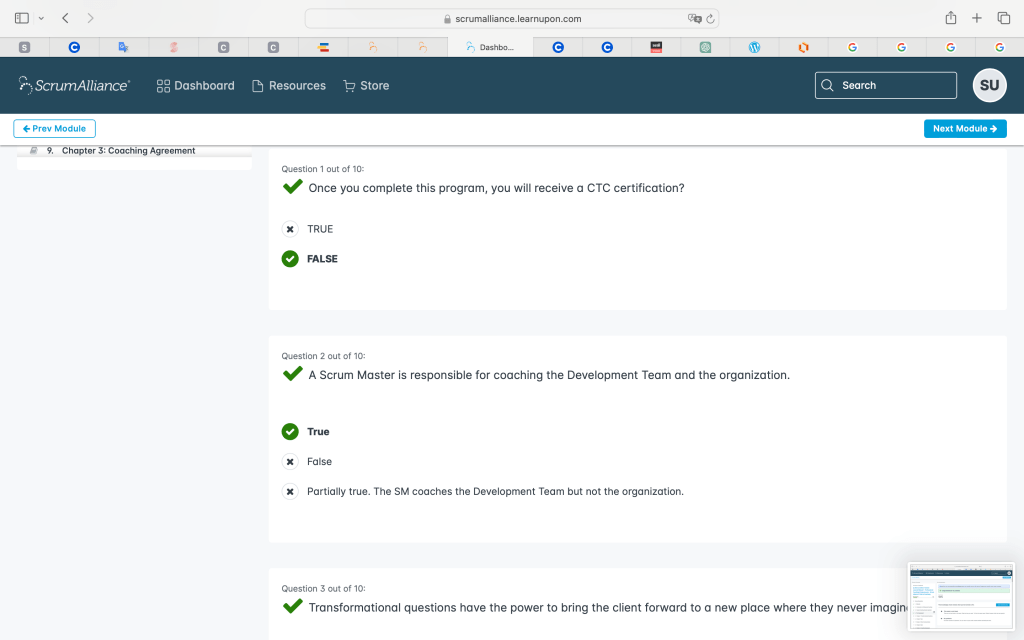
The coaching mindset encompasses a set of attitudes, beliefs, and approaches that effective coaches adopt to help individuals or teams reach their goals, maximize their potential, and overcome challenges. Here are key aspects of the coaching mindset:
- Positive Regard and Empathy:
- Coaches approach individuals with a positive and non-judgmental attitude.
- They empathize with the coachee’s experiences and emotions, creating a safe and supportive space.
- Active Listening:
- Coaches practice active listening to fully understand the coachee’s perspective.
- They listen not only to the words spoken but also to emotions, tone, and non-verbal cues.
- Curiosity:
- A coaching mindset involves a genuine curiosity about the coachee’s goals, challenges, and thought processes.
- Coaches ask open-ended questions to explore ideas, perspectives, and potential solutions.
- Belief in Potential:
- Coaches have an unwavering belief in the coachee’s potential for growth and development.
- They focus on strengths and encourage a positive outlook on the coachee’s abilities.
- Goal Orientation:
- The coaching mindset is centered around helping coachees define and work towards clear, achievable goals.
- Coaches assist in breaking down larger goals into manageable steps.
- Accountability:
- Coaches encourage accountability by helping coachees take ownership of their actions and decisions.
- They hold coachees responsible for progress and commitments made.
- Feedback and Reflection:
- Coaches provide constructive feedback to facilitate learning and improvement.
- They encourage reflection, helping coachees gain insights into their experiences and actions.
- Flexibility:
- A coaching mindset involves adaptability and flexibility to meet the unique needs of each coachee.
- Coaches adjust their approach based on the coachee’s preferences, learning style, and evolving goals.
- Encouragement and Motivation:
- Coaches inspire and motivate coachees during challenging times.
- They celebrate successes, no matter how small, to build confidence and momentum.
- Continuous Learning:
- Coaches maintain a commitment to their own continuous learning and professional development.
- They stay informed about new coaching techniques, methodologies, and industry trends.
- Trust Building:
- Establishing and maintaining trust is a fundamental aspect of the coaching mindset.
- Coaches create a trusting relationship through authenticity, reliability, and confidentiality.
By embodying these elements of the coaching mindset, coaches can create a positive and empowering environment that supports the growth and development of individuals or teams.
references: https://www.coursera.org/in/articles/what-is-a-scrum-master#
Interview Questions of Scrum:
1. What is Scrum?
An interviewer might use this question to get the conversation started. In answering this question, offer a quick definition and talk about why Scrum matters. How does Scrum bring value to a team and a business? What are the benefits of adopting Scrum practices, especially compared to other project management styles?
Even if you are familiar with Scrum, basic definitions can be tough to come up with on the spot. Have a solid definition at the ready, along with some comments on the value it can provide to an organisation.
Other forms this question might take:
- Describe Scrum to somebody who does not know what it is.
- What are the advantages of Scrum?
- What does Scrum mean to you?
2. What are Scrum artifacts?
There are three Scrum artifacts: the product backlog, the sprint backlog, and the product increment.
- The product backlog is an ordered list of tasks and items needed in a product. It is typically maintained by the product owner.
- The sprint backlog is a list of tasks that need to be accomplished in a sprint.
- The product increment is the deliverable completed in a sprint.
Other forms this question might take:
- What is a product backlog?
- What is a product increment?
- What would you say is the most important Scrum artifact?
3. What are the Scrum values?
The five Scrum values—commitment, focus, openness, respect, and courage—are what drive Scrum’s success. The values make Scrum more than just a series of processes and are a large part of what sets it apart from more traditional project management approaches like Waterfall.
In your response, consider talking about why those values are important in a Scrum team. You might mention how they are different from other types of project management. It will also be worthwhile to connect the values to the performance of a Scrum team. Have a story about how getting a team member to be courageous about sharing honest feedback saved a project from trouble? This could be a good time to share.
Other forms this question might take:
- What do the Scrum values mean to you?
- What are the three pillars of Scrum?
4. What is a product owner?
As a Scrum Master, you will be expected to know other team members‘ roles. The product owner is a staple of most any Scrum team. An interviewer can be trying to understand how you think of the role and how you will integrate the role into the team.
Product owners are responsible for ensuring the team is aligned with the product goals. They do this by clearly communicating product goals and managing the product backlog. This would be a good chance to share if you have previous experience managing or working with product owners.
Other forms this question might take:
- What are the three roles in a Scrum team?
- What qualities are important in a product owner?
5. What are the limitations of Scrum?
The benefits of Scrum are well-touted, but it is not for every organisation or team. A Scrum Master should know the limits of Scrum and when best to leave a project to other types of project management.
Scrum is generally recommended for teams or industries that expect to face change. Because they are designed to adapt quickly and operate in short cycles, Scrum teams are generally small, making it hard for pure Scrum to work for projects with large teams without some modifications.
Scrum also might not be the best choice if you are working with very strict constraints, like a budget or timeline. If you are familiar with other project management methods, talk about how those might replace or supplement Scrum in a project.
Other forms this question might take:
- When would you use waterfall instead of Scrum?
- Have you used modified versions of Scrum before?
- How did you adapt when a Scrum process was not working for a project?
Scrum Master situational interview questions
Situational questions play double duty—they gauge your experience and assess your behavioural skills.
6. How would you scale Scrum?
Some project managers are hired explicitly to scale Scrum at organisations. Check the job description to see if you are expected to do this kind of work.
There are several methods you might use to scale Scrum across a large team or organisation. These include the Scaled Agile Framework (SAFe), Nexus, and Scrum@Scale. Be honest about what is familiar to you and what processes have worked or not worked.
Other forms this question might take:
- What scaling methods have you used?
- What is your experience with scaling Scrum?
7. Someone on your team has not taken a liking to Scrum, which is negatively affecting the project. What would you do?
Scrum is a new process for many people. Some people might not take to it easily, especially in companies where processes have been entrenched for many years.
There are several ways you might tackle this issue. Some Scrum Masters might refer back to the Scrum values and encourage teams at the outset to think differently than they are used to. Others might work to instill a sense of ownership of the product in the team member so that they are invested in the process. Still, others might bring in a certified trainer for formal training.
Other forms this question might take:
- How do you break old habits within an organisation?
- How would you prepare people to accept the Scrum process?
8. How did you handle a mistake that was made?
Any project team will make mistakes—details might be overlooked, communication might go awry or things simply might not go according to plan. Interviewers will expect—or even prefer—to see that you have dealt with mistakes in the past. Part of being a project manager or Scrum Master is knowing how to deal with them and still complete a project successfully when they happen.
What sorts of tools or systems do you use to make sure communication goes smoothly? What preventative measures do you take to minimise errors?
Other forms this question might take:
- Describe a time when a project fell behind schedule.
- Have you managed a project that did not meet its initial objectives?
- What is one change you have had to make in the middle of a project?
9. What would you do if a team member is unable to complete a task for a sprint?
It will be your task as a Scrum Master to keep an eye on the needs of your team. As a Scrum Master, you might have a one-on-one conversation to find out why a team member is falling behind—perhaps they are overworked, do not know how to use a tool, or are having personal issues. Then you can administer an appropriate fix, like spreading out the workload or bringing in a subject matter expert to teach a tool or complete a portion of the task.
This might also involve creating an environment where team members feel empowered to speak up when they run into issues.
Other forms this question might take:
- How would you motivate team members?
- What would you do if the project is running behind schedule?
10. How would you handle conflict within the team?
Conflict can happen due to clashing personalities or disagreements on how to approach a task.
There are a few ways you can handle conflict, including:
- Have one-on-one meetings with interested parties to understand the issue.
- Organise the Scrum team to brainstorm solutions.
- Escalate if the decision-making capacity is out of your power.
- Allow team members to sort out differences themselves and intervene only when it is actively hampering project performance.
You might also talk about preventative measures to prevent conflict as much as possible. This can include setting up effective communication plans or fostering teamwork by having icebreaker sessions.
Other forms this question might take:
- What would you do if you disagreed with a team member on how best to approach a task?
- Are you capable of managing a team?
11. How would you deal with a difficult stakeholder?
Dealing with difficult stakeholders is another key project management skill. However, dealing with them gracefully will probably take a combination of people skills and having processes in place to minimise unexpected changes and set expectations for communication.
Other forms this question might take:
- How frequently do you think you should communicate with stakeholders?
- How would you balance stakeholder needs with the needs of your team?
12. What is your favorite Scrum event?
This question can both test your knowledge of Scrum events and reveal your work style as a Scrum Master.
There are four Scrum events: sprint planning, daily Scrum, sprint review, and sprint retrospective. They are sometimes called ceremonies. Tie your answer back to what you think is important in the Scrum process. For example, maybe you look forward to the daily Scrum meeting because it allows the team to communicate openly about progress or pain points and build camaraderie.
Other forms this question might take:
- What gets you excited about Scrum?
- What do you think is the most important part of Scrum?
13. What is your experience in this industry?
Some project manager positions will prioritise candidates with some industry knowledge.
Did you work as an engineer, designer, or health care worker before you transitioned to project management? Have you worked on projects that helped you get familiar with laws within a certain industry? Come prepared with talking points about your experience in that industry and how that can help inform your project management. You can also mention why you enjoy working in it.
Other forms this question might take:
- Why do you enjoy working in this industry?
- Why do you want to work in this industry?
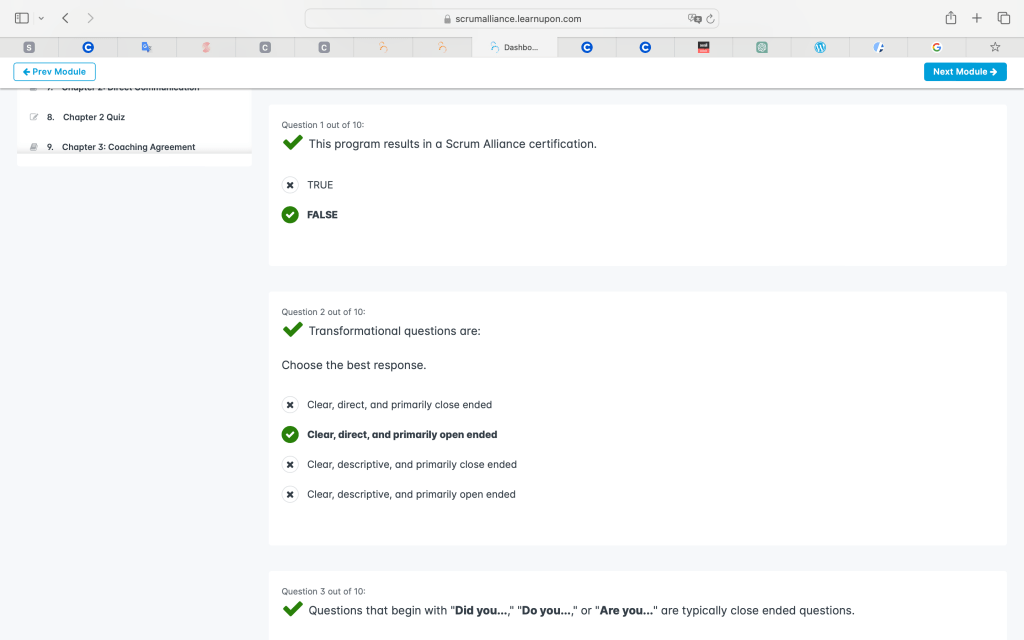
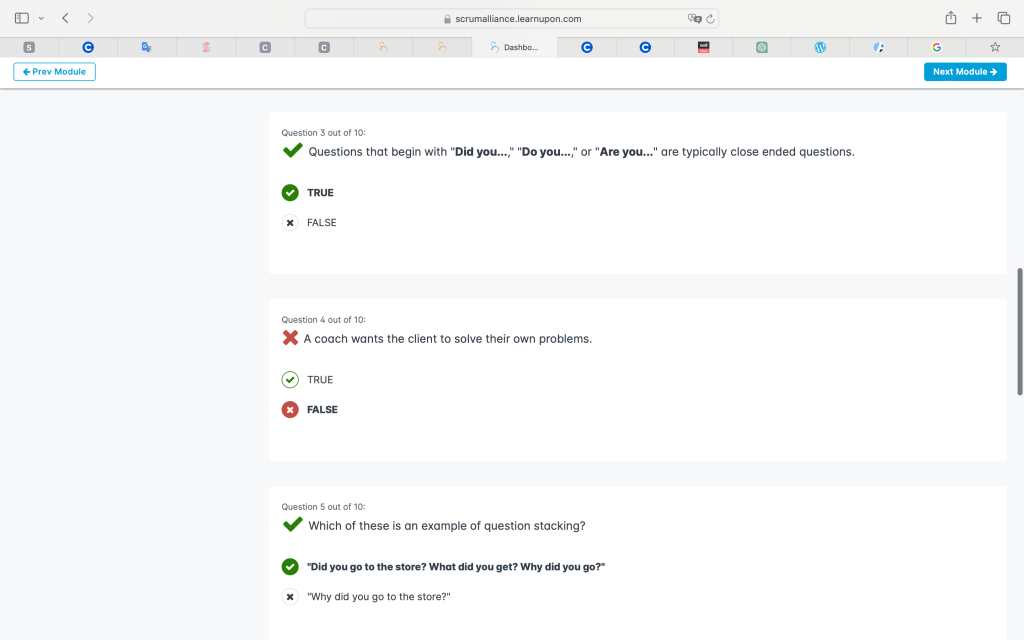
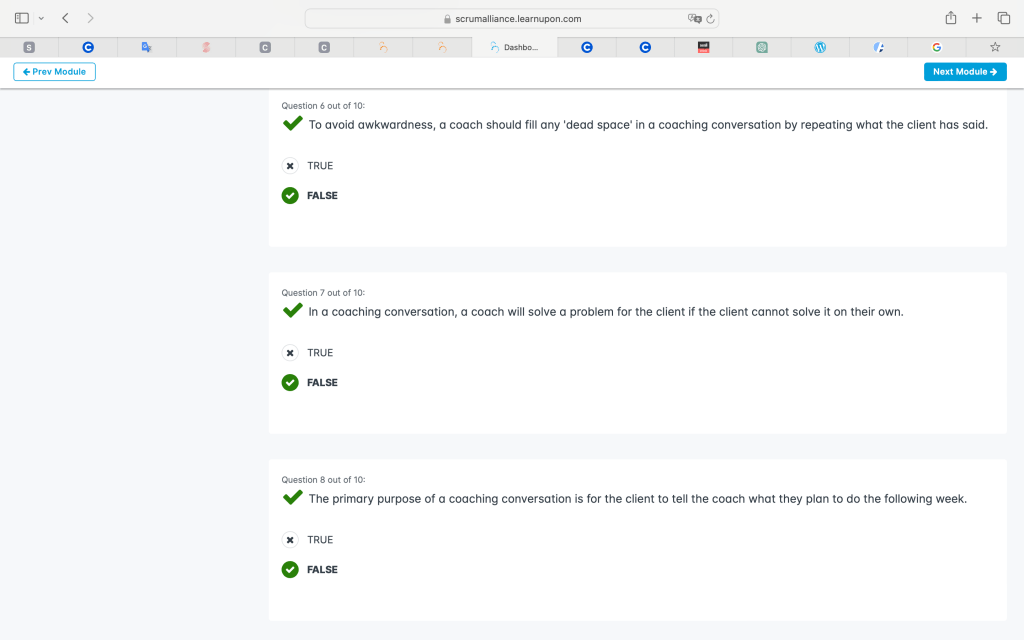
What are the transformational questions by Scrum Master?
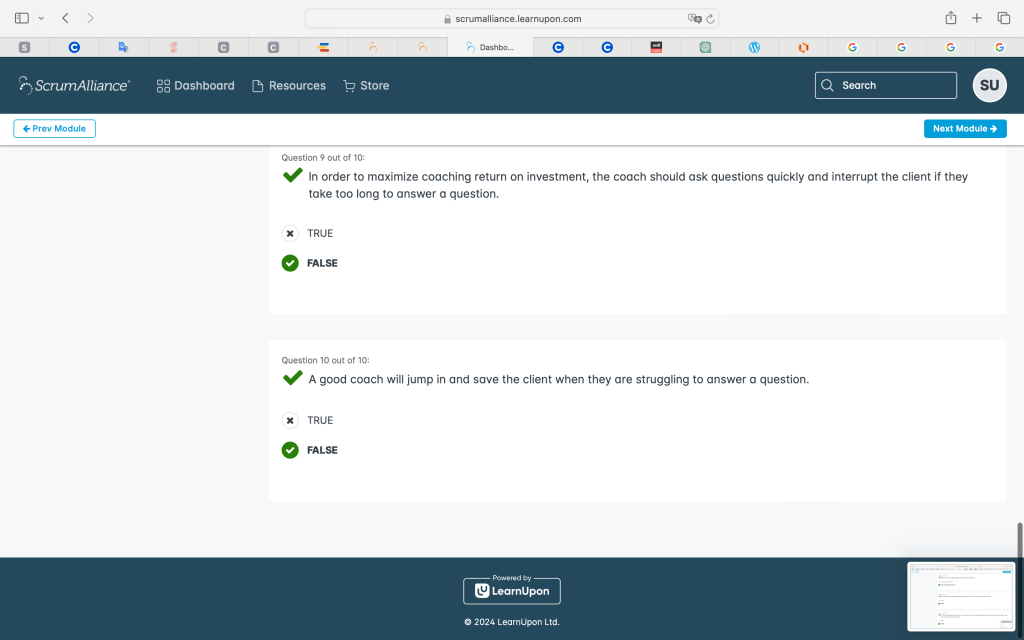
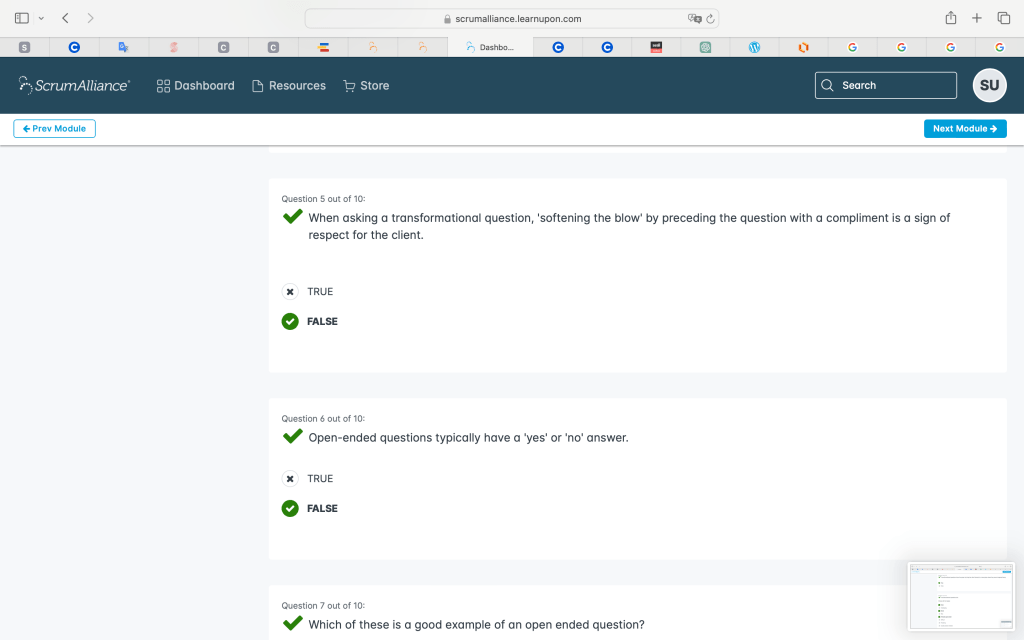
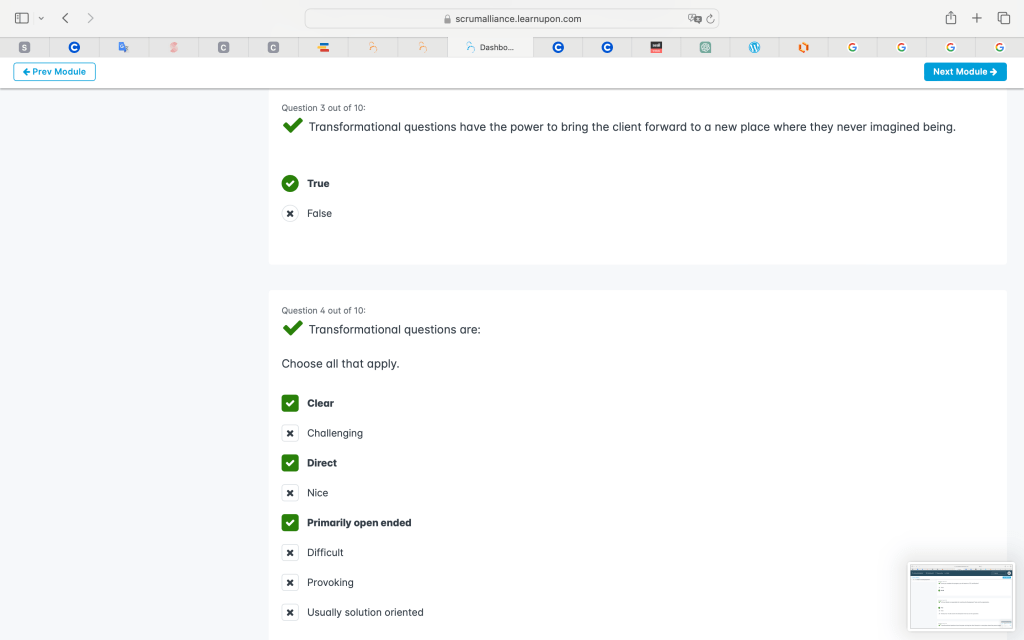
In Scrum, a framework for agile project management, the Scrum Master plays a crucial role in facilitating and coaching the Scrum Team. Transformational questions are powerful tools used by Scrum Masters to inspire a shift in mindset, promote self-reflection, and encourage continuous improvement within the team. These questions are designed to foster a culture of collaboration, learning, and adaptability. Here are some transformational questions that Scrum Masters might use:
- Vision and Purpose:
- What is the overarching goal we are trying to achieve with this project or sprint?
- How does our work align with the larger vision of the organization?
- Empowerment and Autonomy:
- How can we empower team members to take ownership of their work and decisions?
- In what ways can we promote a culture of autonomy and self-organization within the team?
- Continuous Improvement:
- What improvements can we make to our processes based on our retrospective findings?
- How can we turn lessons learned from past sprints into actionable improvements?
- Team Collaboration:
- What steps can we take to enhance collaboration and communication within the team?
- How can we leverage each team member’s strengths to achieve better results?
- Customer Focus:
- How can we ensure that our work is aligned with the needs and expectations of our customers?
- What steps can we take to increase customer satisfaction with our deliverables?
- Adaptability:
- How can we embrace change and respond more effectively to unforeseen challenges?
- In what ways can we make our processes more adaptable to evolving requirements?
- Learning Culture:
- What opportunities do we have for continuous learning and skill development?
- How can we encourage a culture of openness, curiosity, and experimentation?
- Cross-Functional Collaboration:
- In what ways can we strengthen collaboration between different functional areas?
- How can we break down silos and encourage a more cross-functional mindset?
- Conflict Resolution:
- How can we address conflicts within the team in a constructive manner?
- What steps can we take to prevent or resolve conflicts that may impede progress?
- Value Delivery:
- How can we ensure that we are delivering the highest possible value to the customer with each increment?
- What impediments are preventing us from delivering value more efficiently?
- Metrics and Feedback:
- What metrics are most meaningful for us to track our progress and performance?
- How can we use feedback loops to continuously monitor and adjust our approach?
These questions are not prescriptive and may vary based on the specific context and challenges faced by the Scrum Team. The aim is to stimulate thoughtful discussion and guide the team towards a mindset of continuous improvement and collaboration.
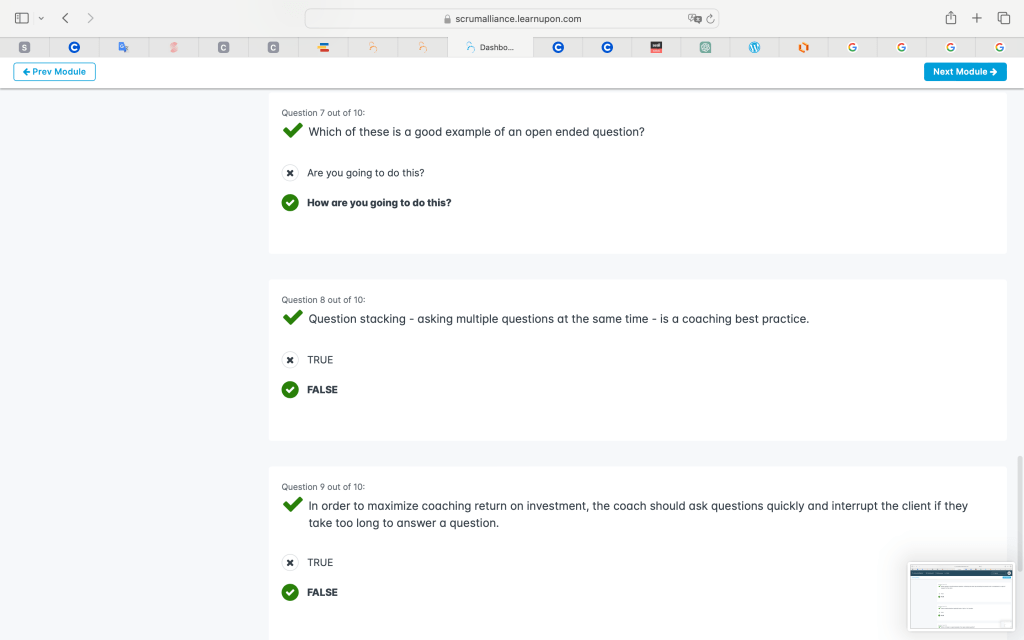
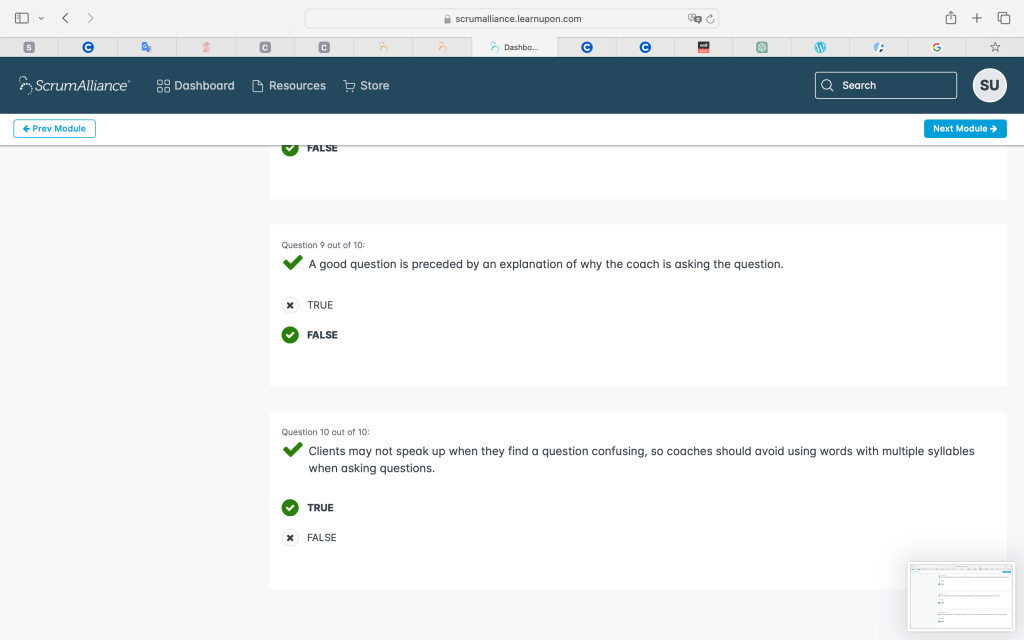
Open-Closed ended questions
https://www.hotjar.com/blog/open-ended-questions/
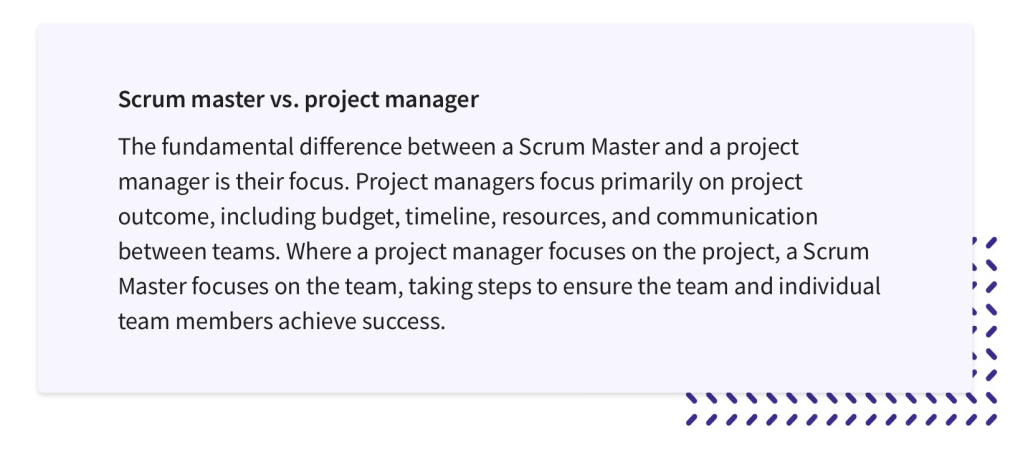
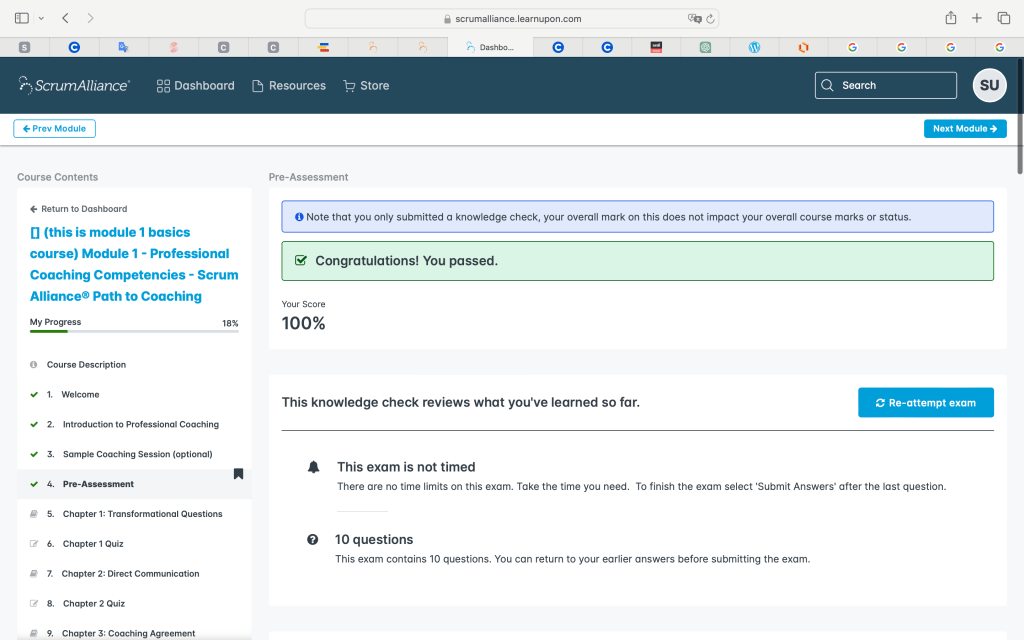
 print("Hello, World!")
Hinterlasse einen Kommentar